

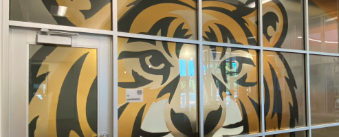
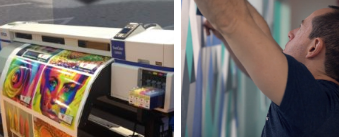

Just as there are a variety of different messages that you can put on a digital window graphic there are a variety of window film materials you can put that message on. The two biggest categories these materials fit under are vinyl and polyester. But which one is right for your project?
Printed Window Graphics: Material Differences
Before looking at the differences between these two graphic window film materials it is important to understand that these are two unique and separate materials. That’s because people have taken to using the term “vinyl” in a very broad, all-encompassing capacity.
In reality, vinyl window graphics and polyester (PET) window films have very specific qualities and preferred usage points. Each one holds certain benefits when being used in commercial window graphics or for window graphic design displays in various professional buildings.
And what are those benefits? These ten points highlight each of those qualities and showcase where one window film material used for printed window graphics might be the stronger choice for businesses and installers.
|
Polyester |
Vinyl |
|
|
Clarity |
Features strong optical clarity, regardless of the graphic design. |
The optical clarity of this material sits in the middle of the scale. |
|
Placement |
Popular for placing a message on a flat, smooth surface. |
Affixes well on areas that have a texture. |
|
Durability |
Popular for use in high traffic areas because of its ability to resist fading and scratches. |
Provides you with a high-degree of durability depending on the grade. |
|
Installation |
Provides a quick adhesion and an easy peel during removal. |
The adhesive used in installation can be tough to remove causing tears in the materials and leaving residue behind. |
|
Presentation |
Graphics printed on this material can be resistant to fading depending on the grade. |
Can last 3+ years with the proper care and maintenance. |
|
Usage |
Ideal for not just displaying messages but also for light control and UV protection. |
A particularly strong material for use in outdoor installations. |
|
Ink Adhesion |
Has a strong adhesion with UV curable inks. |
Can be found in multiple color options. |
|
Printing |
Compatible with UV inkjet and ecosolvent inks. |
Compatible with most processes. |
|
Environmental Impact |
rPET, or recycled polyester, assists architects and building managers in meeting sustainability goals. |
Materials are “one and done” and their production involves the use of noxious chemicals, including polyvinyl chloride. |
One additional argument that can be made for incorporating polyester printed window graphics in your building materials plan is its stability. As a window film material, PET offers high tensile strength and does not react to temperature fluctuations outdoors.
Setting a Vinyl Window Graphics Job Up For Success
Even the best window graphic design can suffer if it’s printed on the wrong material. If your printer is just grabbing off-the-shelf window film material they may not be setting your design and messaging up to be displayed in their optimum condition.
When messaging and design clarity are key, one material can be the ideal choice for setting your digital window graphics up for success. To learn more about the differences in graphic window film material and the benefits that each can have for your business, schedule a meeting with the experts at LINTEC of America.